Lightweight Packing · Bags
Are Natural-Fiber Backpacks Practical for Lightweight Journeys?
A natural-fiber backpack can feel at home on a quiet city walk, a short rail trip, or a day spent moving between a guesthouse and the coast. Its appeal is easy to understand: a simple shape, a tactile fabric, and a less technical look than many synthetic packs. But the material alone cannot tell you whether a bag will serve well. Construction, load, weather, comfort, and care determine whether it is a useful travel companion—or simply an attractive object that asks too much of its owner.
For brief journeys with a modest load, linen backpacks may be practical. The important question is not whether natural fiber is inherently better or worse, but whether a specific bag is built for the conditions and weight you expect. A light day’s essentials are one thing; a laptop, water bottle, spare shoes, and a week’s clothing are another. Before choosing, look closely at the seams, straps, closures, capacity, and instructions for keeping the fabric in good condition.
Start with the journey, not the material
A backpack is a small piece of infrastructure. It carries the practical details that let a traveler keep walking: water, a layer for changing weather, a map or phone, snacks, and the few personal objects that make a day away from home easier. On an uncomplicated outing, the best pack may be the one that holds those items without inviting the owner to bring many more.
Natural-fiber backpacks often suit this lighter way of moving. They can work for a short city break, a market visit, a relaxed day trip, or as a personal item for essentials alongside a larger suitcase. Their appeal is especially strong when the route is mostly paved, the weather is predictable, and the pack will not be asked to carry heavy equipment for hours.
That does not mean every linen bag is suitable for every trip. A soft, unstructured backpack may be comfortable to carry when nearly empty, then sag or pull awkwardly when loaded. A thin fabric may be pleasant to handle but vulnerable to abrasion against rough stone, train platforms, or the corners of packed items. A pack designed for everyday light use should not be assumed to have the reinforcement, weather resistance, or load support of technical outdoor equipment.
Make a simple inventory before shopping. Set out what you expect to carry on an ordinary travel day and include the things that are easy to forget: a full water bottle, charger, sunglasses case, book, and any layers you may remove. The finished load—not the empty bag—is the real measure of whether the design is practical.
What linen brings—and what it does not
Linen is made from flax fiber. Its familiar appeal lies in its natural texture, relatively crisp hand, and ability to soften with use. In a bag, it offers a quieter, less technical appearance than coated synthetic fabric. That can make a linen backpack feel suited to everyday travel: an object that belongs in a café, on a local train, or beside a picnic blanket as comfortably as it does in a hotel room.
Yet the word “linen” is not a performance rating. Fabrics vary in weight, weave, finishing, and blend. Two bags labeled with the same fiber may differ substantially in thickness and resistance to pulling or abrasion. The construction matters just as much as the cloth: a sturdy fabric joined with weak stitching can fail at its stress points, while thoughtful reinforcement can make a comparatively simple design more dependable.
Natural fibers can also absorb moisture. In a light shower or damp environment, a backpack without a protective lining or rain cover may allow moisture to reach its contents. A fabric bag should not be treated as waterproof simply because it feels dense or substantial. If your plans involve frequent rain, wet trails, or carrying electronics without another protective layer, check for a documented water-resistant treatment or choose a suitable dry pouch for valuables.
For a lightweight journey, the balance is often favorable when conditions are mild and the load is controlled. Linen’s character can be an advantage when you value a breathable, natural-looking material and do not need your pack to function as expedition equipment. The key is to choose for the route you will actually travel, rather than for a distant possibility that could lead you to carry a heavier, more complex bag than necessary.
Construction deserves a close inspection
When considering natural-fiber backpacks, start with the points that experience the greatest strain. These include the upper corners where straps meet the body, the base, the top opening, and any area where a pocket is attached. Look for clean, even stitching and reinforcement at load-bearing joins. Loose threads, puckering, or a seam that seems to pull when the bag is gently tugged may suggest that the design is better suited to occasional light use than frequent travel.
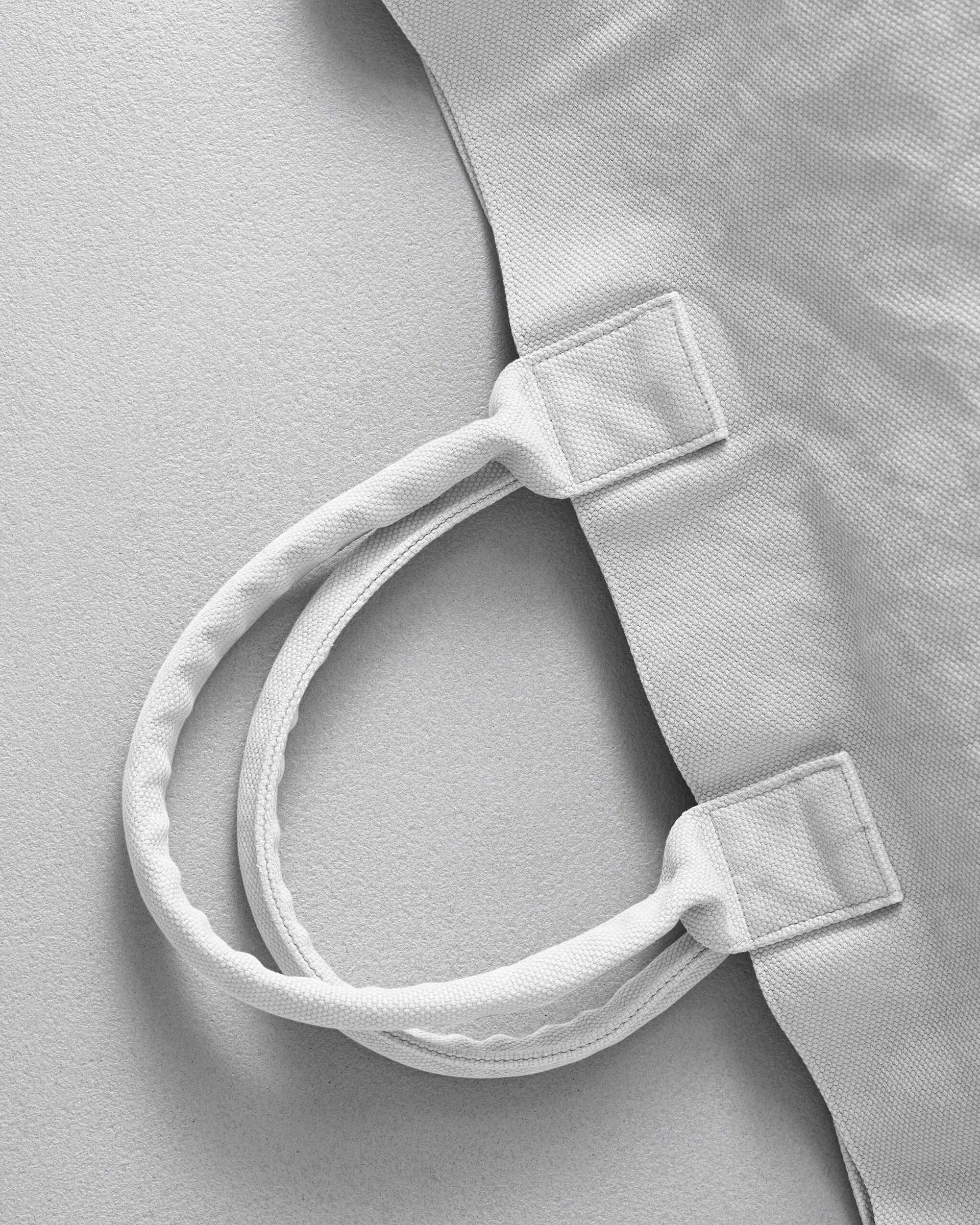
Straps should sit flat and feel comfortable against the shoulder. Check their width, padding if present, adjustability, and how securely they are anchored. A narrow strap can become uncomfortable when a bag is carried for a long time, even if the contents are not especially heavy. If possible, try the backpack on with a realistic load. Notice whether it rests close to the body, shifts as you walk, or places pressure in one small area.
Closures are another practical detail. A drawstring may offer simple access and keep the shape relaxed, while a flap, zipper, or snap can provide a more secure opening. None is automatically best. Ask how the closure behaves when the pack is full, whether it is easy to operate with one hand, and whether small objects could slip out if the bag tips over. For travel through crowded stations, secure access to important items may matter more than a particularly spare silhouette.
Finally, consider the base. A reinforced or structured bottom can help a pack stand upright and reduce wear when it is set down. A softer base may keep the bag lighter and easier to fold, but it can offer less protection for fragile contents. A tablet or camera should be carried in its own padded sleeve unless the backpack has a protective compartment specifically intended for that purpose.
Capacity is not the same as usefulness
Capacity is commonly described in litres, but a number does not explain how a backpack organizes its space. A large open compartment may swallow a jacket and a book easily, yet leave keys, tickets, and small accessories loose at the bottom. Several pockets can make essentials easier to find, but too many compartments may add bulk or constrain the shape of what you can pack.
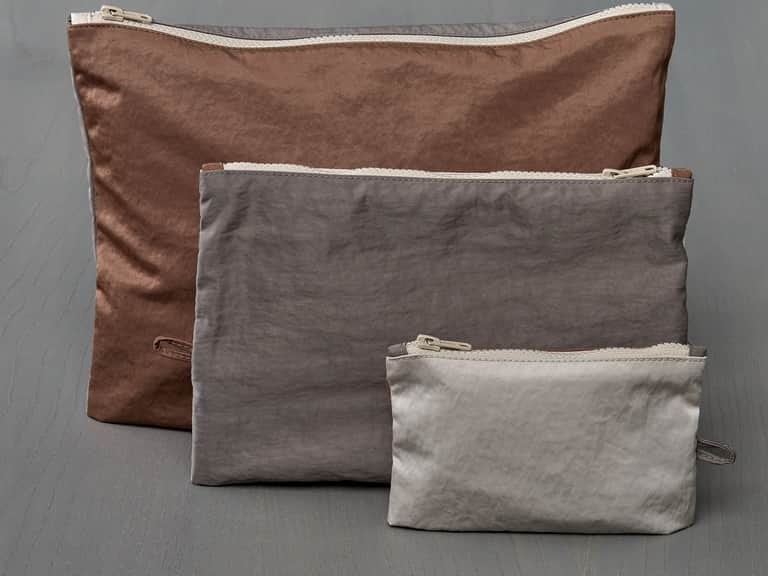
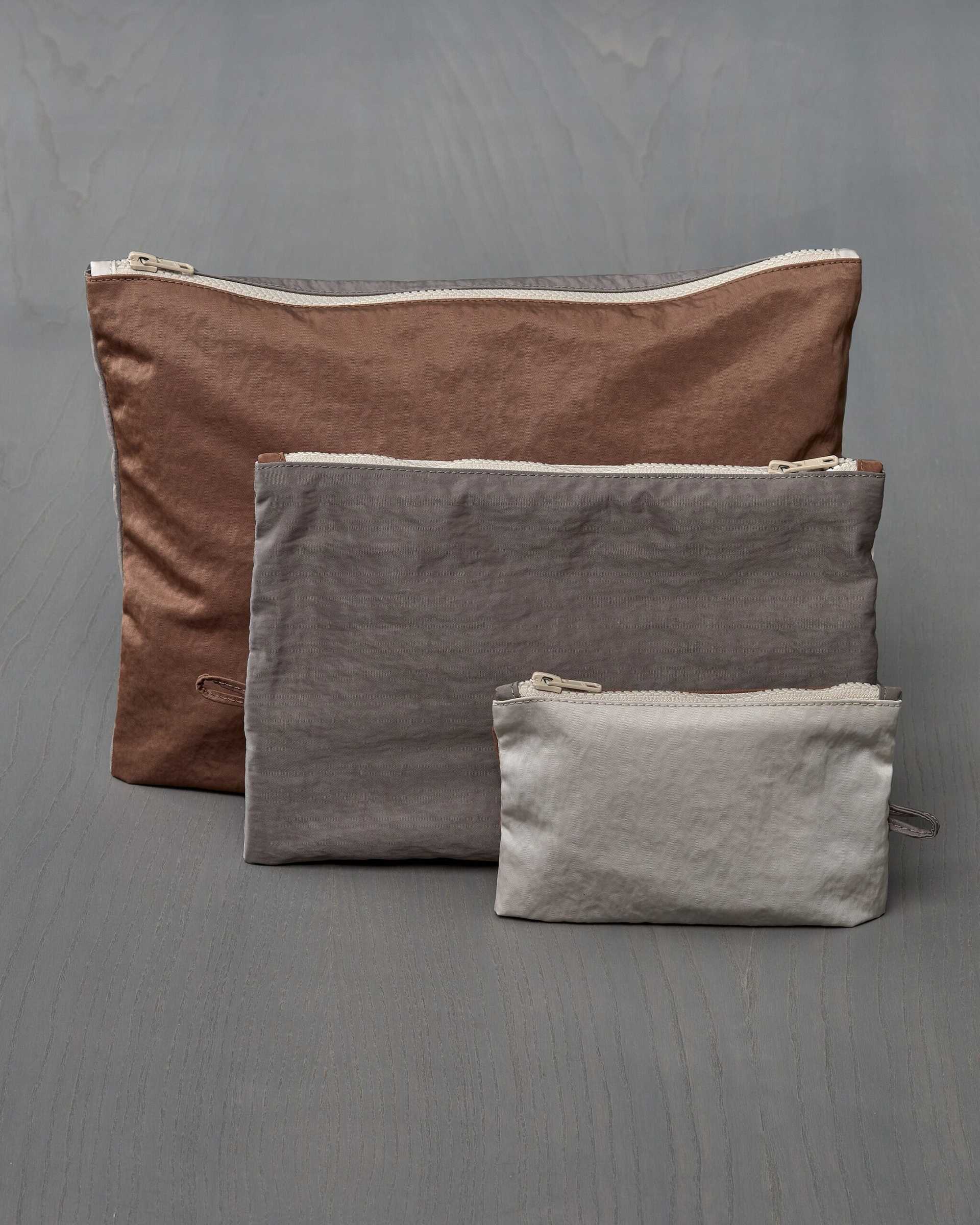
Think in terms of your own packing pattern. Do you carry a water bottle, a compact umbrella, or a notebook? Is there a safe place for a phone and wallet? Will your travel documents remain accessible without putting them in an exposed outer pocket? If the bag has no internal divisions, a small organizer pouch can help separate cables, toiletries, and other loose items. Organizing by category also makes it easier to see what you have packed before leaving.
For a short outing, a modest pack that contains essentials comfortably is usually more useful than a cavernous one that encourages extra weight. Leave a little room for a layer or an item picked up along the way, but avoid filling every corner simply because space exists. Lightweight packing is not about reducing a trip to a test of endurance. It is about carrying what contributes to the day and leaving behind what does not.
Remember that dimensions matter as much as capacity, especially if you plan to use the backpack as a personal item. Airline policies vary and can change, so check the current rules for your carrier rather than relying on a general size claim. A flexible fabric bag may compress more easily than a rigid pack, but that does not guarantee it will meet every carrier’s requirements when full.
Match the pack to the terrain and weather
A relaxed walk through a city places different demands on a bag than a steep trail. In town, access, comfort, and the ability to keep small necessities organized may matter most. On a longer walk over uneven ground, the fit of the straps, stability of the load, and support across the back become more important. If a backpack has no meaningful adjustment or sits poorly once loaded, a natural material will not compensate for that mismatch.
Weather is equally important. Linen and other natural-fiber backpacks can be a good fit for dry days, but they need more consideration around rain, sea spray, mud, or a damp picnic blanket. Carry a compact cover if the forecast is uncertain, or protect sensitive belongings in waterproof pouches. Keep wet items separate from dry clothing, and avoid storing a damp bag in a closed suitcase or cupboard where it cannot air out.
For hikes, cycling commutes, or journeys where the pack will be exposed to heavy rain and rough surfaces, compare the natural-fiber option with purpose-built alternatives. Technical bags may include water-resistant coatings, padded harnesses, abrasion-resistant panels, and carefully designed support. Those features are not always necessary for a short, easy trip, but they can make a meaningful difference when conditions become demanding.
Care helps determine long-term value
Fabric backpack care begins with the label. Do not assume that a natural-fiber bag can be machine washed simply because linen garments are sometimes washable. A backpack may include dyes, linings, leather or metal components, stiffeners, and reinforced seams that respond differently to water and agitation. Follow the maker’s care instructions, and test any cleaning method on a discreet area if guidance is limited.
For everyday marks, start gently. Empty the bag, brush away loose dust, and use a clean, damp cloth on a small area. Avoid soaking the fabric unless the manufacturer says that washing is safe. If the bag becomes wet, empty it and allow it to dry fully in a ventilated place, away from strong direct heat. Drying it gradually can help preserve its shape and reduce the chance of musty odors.
Before storing the backpack, make sure it is clean and completely dry. Keep it out of prolonged direct sunlight, which can fade some fabrics, and avoid compressing it under heavy objects for long periods. Regularly check the seams, strap anchors, and closure. A small repair made early may prevent a minor loose thread from becoming a torn seam during a trip.
Care is not merely a chore; it is part of the environmental calculation. A bag that is used for years can be a more considered choice than one replaced frequently, but longevity depends on construction, repairability, and the demands placed on it. Natural fiber alone does not guarantee a lower impact. Consider how the bag is made, how long you expect to use it, and whether it can be maintained rather than quickly discarded.
A practical pre-trip check
Before setting off, give the backpack a brief inspection. This is especially worthwhile if it has been stored between seasons or will carry anything fragile. The routine takes only a few minutes and can reveal a problem while you are still at home, rather than after a seam begins to open in transit.
- Check the load: Pack the items you genuinely expect to carry and walk around with the bag for several minutes.
- Inspect the stress points: Look at the base, strap attachments, seams, and closures for wear or loose stitching.
- Protect valuables: Use a padded sleeve for electronics and a secure inner pouch for documents, money, and keys.
- Plan for weather: Bring a rain cover or protective pouch if the forecast or route makes moisture likely.
- Keep essentials accessible: Place water, tickets, and items you need often where you can reach them without unpacking everything.
- Review care guidance: Know how to clean and dry the bag before it gets dirty or wet on the road.
This checklist is not a substitute for choosing the right pack, but it makes the choice more informed. It also helps reveal whether the bag’s design suits your habits. A traveler who needs quick access to a water bottle may find a minimalist backpack frustrating if it has no convenient pocket. Another traveler, carrying only a sweater and a notebook, may value exactly that simplicity.
When a natural-fiber backpack makes sense
Natural-fiber backpacks are most convincing when their strengths align with the day: a restrained load, moderate conditions, straightforward packing needs, and a preference for tactile materials. For a weekend in a walkable city or a light day out, a well-made linen pack can provide practical carrying space without the visual weight of a technical hiking bag. If its straps fit well, seams are robust, and capacity matches your essentials, it may be a comfortable part of a simple travel system.
They are less suitable when you need dependable weather protection, substantial load support, extensive organization, or resistance to repeated rough handling. In those situations, choosing a purpose-built pack is not a rejection of natural materials. It is an honest response to the terrain and the job. A lightweight journey should be defined by what makes the trip easier and safer, not by allegiance to any one fabric.
It can also help to separate the role of a daypack from that of a main travel bag. A small backpack may carry what you need while exploring, while a larger suitcase or duffel stays at your accommodation. That division keeps the daily load manageable and reduces the pressure to make one soft-sided bag do everything. The best packing system is often the one in which each piece has a clear purpose.
The lightest useful choice
There is a quiet pleasure in leaving a room with everything needed for the day gathered in one simple bag. Yet the ease of that moment depends on practical details hidden in plain sight: a seam that holds, a strap that does not dig, a closure that stays put, and enough space for the things that matter without excess. A natural-fiber backpack can deliver that balance, but only when its construction and care suit the way it will be used.
Before choosing among linen backpacks or other natural-fiber backpacks, test the likely load, check the stitching, assess the straps, consider weather protection, and read the care instructions. Then ask whether the capacity fits your routine rather than an imagined journey. For lightweight packing on calm, short trips, that careful match can make a simple fabric bag a practical companion. The strongest choice is not necessarily the most technical or the most minimal. It is the one that carries what you need, holds up to your route, and remains useful after the journey ends.