Furniture encompasses a broad range of functional and aesthetic pieces designed to enhance living spaces, with emphasis on durability, comfort, and adaptability. In this category, structural elements like frames, finishes, and ergonomic considerations shape how users experience seating, storage, and organization. Understanding materials such as wood, metal, and fabric textures helps assess suitability for various rooms and interior styles.
Key features across furniture items include durability, comfort, and modularity. For example, seating may prioritize ergonomic support and fabric durability, while storage pieces emphasize space efficiency and ease of access. Finishes, construction quality, and care requirements influence long-term performance, making it essential to consider weight capacity, cleaning methods, and colorfastness.
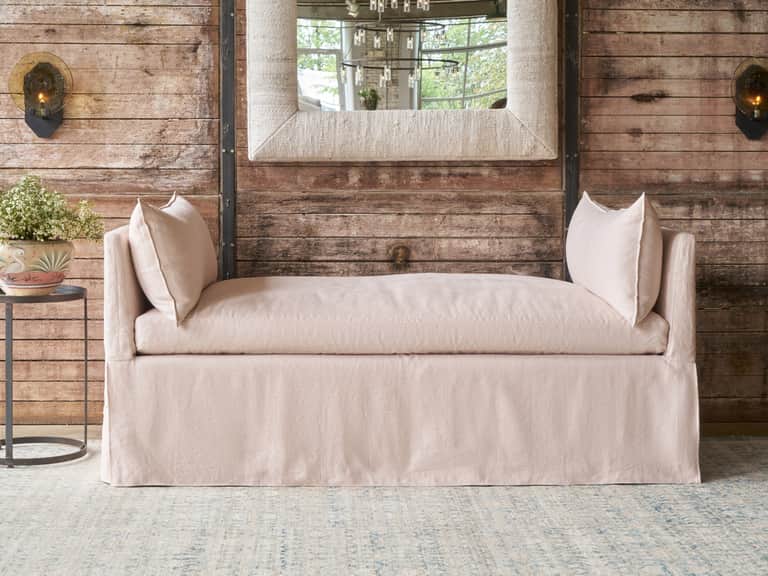
The Cisco Home Linda Trundle Daybed illustrates multifunctional design that blends resting spaces with practical storage. A daybed provides versatile seating or sleeping arrangements, while the trundle adds or accommodates extra bedding options. This combination is especially relevant for guest rooms, studios, or spaces prioritizing flexible occupancy without compromising floor plan clarity.
When evaluating furniture for travel-oriented lifestyles, factors such as compactness, ease of maintenance, and compatibility with other lifestyle goods—like pillows, travel pillows, and loungewear—become important. Materials that resist wrinkling, stain resistance, and easy cleaning support routines for frequent use in compact living arrangements and temporary setups.
Categories within furniture often intersect with related items such as clothing and accessories, bags, and home textiles. Understanding how items like pillows and travel pillows complement seating and lounging setups can guide practical decisions about comfort zones, spatial flow, and organization, contributing to well-rounded, functional interiors.
 Furniture