Light travel packing · Fabric backpack guide
How to Choose a Breathable Fabric Backpack for Everyday Trips
A good day bag moves with you: through a morning commute, along a crowded station platform, or into the slower rhythm of a new place. Fabric matters, but so do the seams, straps, closure, and the load you expect to carry. Here is how to compare linen and other breathable materials, and choose a backpack that suits the way you travel.
Start with the trip, not the textile
A backpack is a small piece of travel infrastructure. It keeps the things you need close, leaves your hands free, and can make a long day feel easier—or become an uncomfortable burden. Before comparing fabrics, picture an ordinary outing. Are you carrying a water bottle, a light layer, a notebook, and a few essentials between home and work? Exploring a city on foot? Packing snacks and spare clothes for a short family trip? The answers determine how much capacity, structure, and abrasion resistance you need.
For a light day out, a simple fabric pack may be enough. A heavier daily commute can call for reinforced stitching, padded straps, and compartments that separate electronics from a water bottle. A bag used on trails may need tougher construction and more reliable weather protection than a relaxed sightseeing pack. There is no universally best fabric backpack: the best choice is the one that suits its regular load and conditions without encouraging you to carry more than you need.
Think about what the bag will encounter, too. Public transit brings frequent handling and contact with hard surfaces. A beach walk may mean sand and damp clothing. A dry, mild city break presents a different challenge from a rainy weekend. Material performance is always part of a system: fabric, weave, lining, seams, closures, and care habits work together.
What “breathable” really means
Breathability describes how readily air and water vapor can pass through a material. In a bag, that quality may influence how the fabric feels against the body and how it handles warm conditions. It does not mean that the entire backpack will ventilate like a mesh panel, nor does it guarantee that the contents stay dry. A backpack’s back panel, lining, and shape all affect the space between the bag and your body, where heat can build up.
Natural fibers such as linen and cotton are often valued for their hand feel and air-permeable character. Many synthetic textiles, including nylon and polyester, are selected for their strength, lower weight, or ability to resist moisture when specially constructed or finished. These are broad tendencies, not guarantees: fiber type alone cannot tell you how a finished bag will perform. A tightly woven linen can feel quite different from a loosely woven one; a coated synthetic fabric can behave differently from an uncoated version.
Look for information about the full construction rather than relying on a material label. Is the fabric lined? Does it have a water-resistant finish? Are there mesh panels or padded zones at the back? Are the seams finished or taped? If you expect rain, remember that a breathable fabric is not automatically waterproof. A rain cover or a separate dry pouch for important items may be more dependable than assuming the outer textile will protect everything inside.
Linen: light, tactile, and worth assessing closely
Linen has a distinctive, natural surface and is often associated with a cool, relaxed feel. For a travel bag, its appeal can be straightforward: a textile with a soft, understated character that suits light everyday use. It can be an attractive choice for a small day bag, a casual carryall, or an accessory pouch. But “linen” does not by itself tell you whether a backpack will hold its shape, carry a substantial load comfortably, or withstand years of hard use.
Examine the weave and the finished bag. A dense fabric, supportive lining, and sound reinforcement at stress points can contribute more to everyday practicality than a fiber name alone. Ask whether the base is strengthened, whether the straps are attached with durable stitching, and whether the fabric is likely to soften or crease with use. For a backpack that will be set down on pavement or packed with heavy books, those details deserve special attention.
Linen may also require more thoughtful care than a bag designed to be wiped clean. Washing can affect the fabric’s shape, finish, or color, and an attached lining or hardware may have separate care needs. Check the maker’s instructions before cleaning, and consider how much maintenance you are willing to take on. For a day bag used in dry conditions and packed lightly, this may be a fair trade for the feel and appearance you prefer. For wet, muddy, or especially demanding outings, a different construction may be more suitable.
A useful comparison is the Miles Cross body, made from stonewashed linen textile. It is a cross-body bag rather than a backpack, so it should not be treated as a substitute for a pack with two shoulder straps or backpack-specific support. Still, its material and simple snap closure offer a concrete example of how linen can appear in everyday carry goods—and why it is important to distinguish a fabric’s character from a bag’s carrying design.
Compare linen with other common bag fabrics
When weighing linen against alternatives, focus on the trade-offs that matter for your routine. A backpack is not only a piece of cloth: its fabric has to work with its shape, seams, lining, and load-bearing parts.
- Cotton canvas: Often chosen for a sturdy, familiar feel. Its weight and durability vary with the weave and thickness. A heavily constructed canvas pack can be robust but may feel substantial when empty; untreated cotton may absorb water.
- Nylon: Common in travel bags because it can be made in lightweight, strong constructions. Performance depends on the type of nylon, weave, coating, and stitching. Some versions are water-resistant, but not every nylon bag is waterproof.
- Polyester: Used across a wide range of bags, from light daypacks to structured luggage. Its qualities depend on fabric weight, weave, finish, and reinforcement, so the label alone is not a complete guide.
- Blended fabrics: A blend may combine different fibers to balance feel, strength, weight, or care needs. Check the stated composition and whether the construction suits your intended use.
- Linen: Offers a natural, distinctive textile character and may work well for lighter everyday carry. Check carefully for structure, reinforcement, weather suitability, and cleaning requirements.
These comparisons are starting points, not rankings. A well-made bag in one material may outperform a poorly constructed bag in another. If possible, handle the backpack in person. Feel how stiff or supple the fabric is, inspect the inside, and lift it with a typical load. Online, look for clear specifications and close descriptions of construction rather than relying only on lifestyle language.
Construction is where comfort is decided
Even breathable fabric can feel uncomfortable if a backpack sits poorly. The shoulder straps should be wide enough for the expected load, securely attached, and adjustable to your body. Padding can help distribute pressure, although a thin, light bag may not need the same padding as a pack designed for heavier contents. If a chest strap or sternum strap is included, it can help keep shoulder straps in position during movement.
Pay attention to the back panel. A padded or shaped panel may add comfort and help the bag sit more steadily, while a mesh-backed design may encourage airflow where the pack touches the body. Neither feature can eliminate heat in every climate. Fit still matters: a bag that swings, hangs too low, or pulls unevenly can feel tiring even when its fabric is light.
Inspect the seams where the straps meet the bag, at the top handle, and around the base. These areas take repeated strain. Reinforced stitching or extra fabric at stress points can be useful signs, but the overall execution matters more than a single detail. Check the zipper track or other closure for smooth operation, and look for a zipper that is protected from abrasion. A drawstring, snap, or flap can be simple and convenient, but consider whether it gives the access and security you want in busy settings.
Finally, test organization against the objects you actually carry. A padded sleeve can protect a laptop from knocks but does not automatically make it waterproof. A separate pocket can keep keys easy to find, while too many compartments may add complexity. A bottle pocket is helpful only if it holds your bottle securely and does not crowd the main space. Let the bag’s layout serve your routine, not the other way around.
Match capacity to a realistic packing list
Choosing the right capacity is a practical exercise in restraint. A larger backpack can tempt you to add items “just in case,” while a very small one can turn simple packing into a daily puzzle. For an ordinary day, lay out the essentials: water, wallet, phone, keys, a light layer, and whatever work or travel items you genuinely need. Add a small amount of room for the unexpected, but do not size the bag for an imaginary expedition if most outings are short.
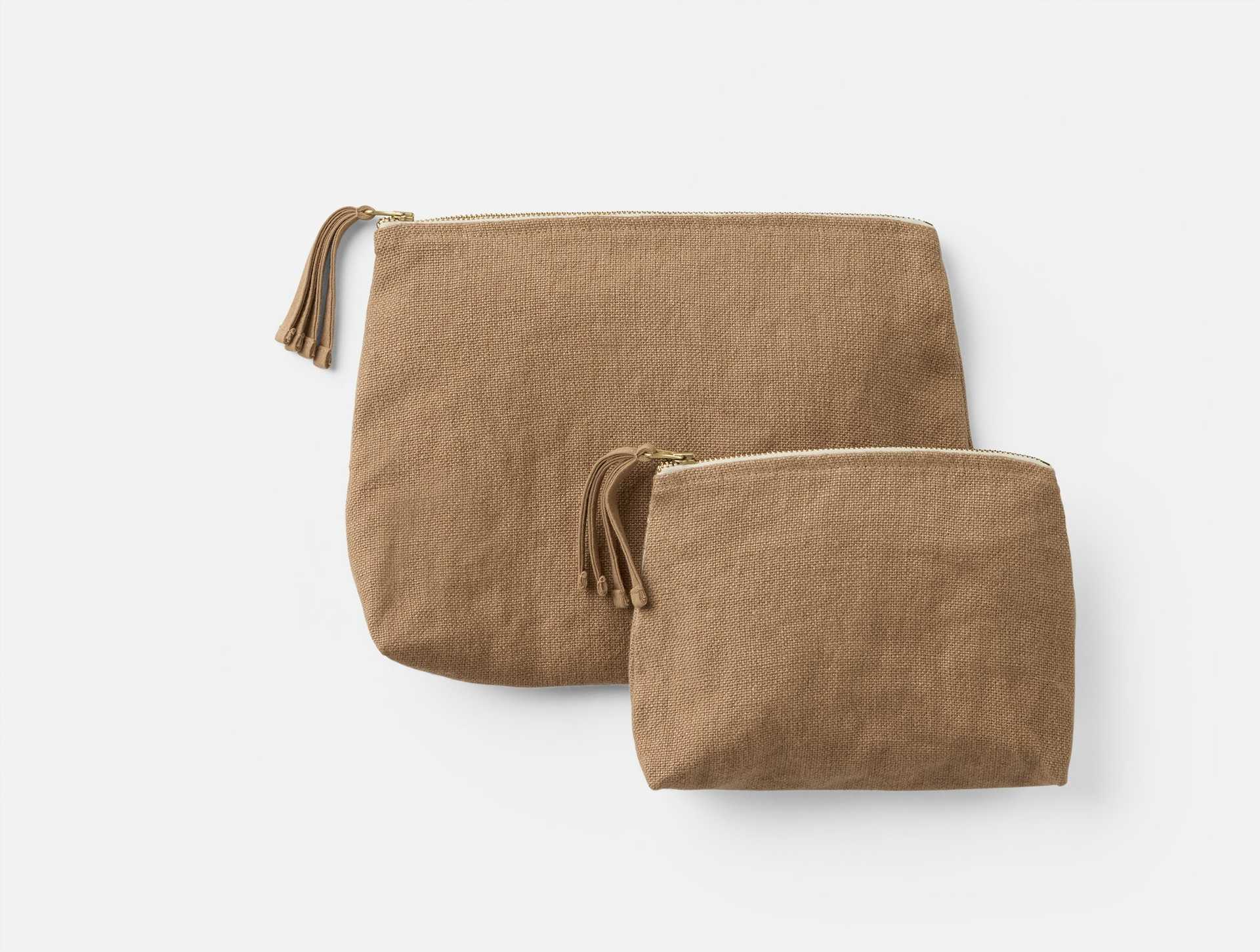
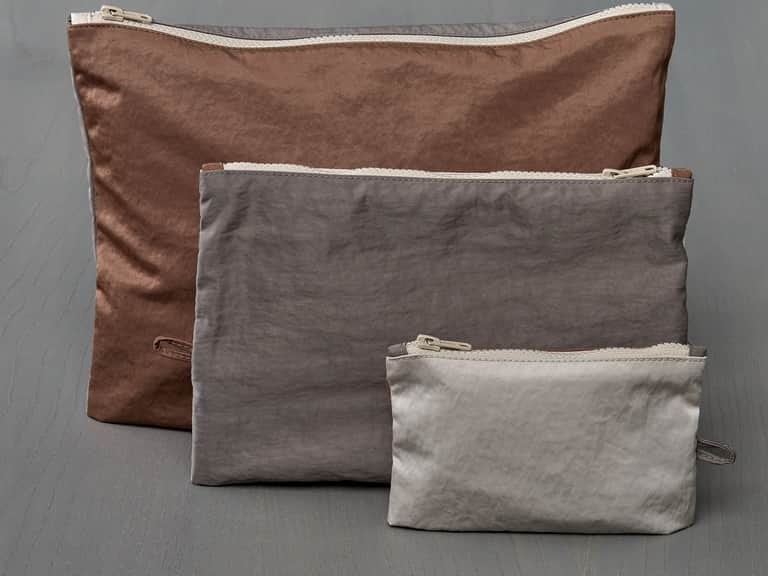
For a sightseeing day, keep frequently used items near the top or in an easy-access pocket. Place heavier objects close to your back and arrange the contents so they do not shift. If carrying a laptop, place it in the intended protective sleeve and avoid packing hard objects where they can press against the screen. Keep liquids upright and separate from electronics when possible. A small pouch can make loose essentials easier to manage: the Helena Organic Linen Pouch Set includes two zippered pouches with a gusset, suitable for organizing small travel items. Pouches do not replace a protective laptop sleeve or waterproof container, but they can help keep a bag’s contents sorted.
For commuting, consider access and stability. You may want a bag that opens without spilling its contents when placed on a train seat or under a desk. For a short outing, a simpler design may be enough. If you are choosing between two sizes, compare them while loaded—not merely while empty. A capacity that sounds generous on a product page can feel bulky against the body, particularly if the back panel is tall or the bag stands away from your shoulders.
A quick checklist before you choose
Use this checklist when comparing linen backpacks and other breathable bags. The right answers will depend on your trip, climate, and carrying habits.
- Purpose: What do you carry most days, and where will you use the bag?
- Capacity: Does it fit your real essentials without unnecessary bulk?
- Material: Is the fabric composition clear, and does its feel suit your preferences?
- Weather: Is the fabric treated or lined? Will you need a rain cover or dry pouch?
- Support: Are the straps adjustable and comfortable with a typical load?
- Construction: Are seams, strap attachments, the base, and the closure convincingly finished?
- Organization: Are the pockets useful for your belongings, or do they add clutter?
- Care: Can you follow the cleaning instructions, and does the bag suit the maintenance you are prepared to do?
When a specification is missing, avoid filling the gap with assumptions. Ask the maker about the fabric finish, lining, load guidance, and care. A clear answer is more useful than a broad claim that a bag is “all-weather,” “ultra-durable,” or “perfect for every trip.”
Pack efficiently and make the fabric last
Light packing is as much about arrangement as volume. Put heavier items close to your back and lower in the pack, where they are less likely to pull you backward. Use small pouches to contain cords, toiletries, or first-aid items, and leave a little flexibility so you are not forcing the closure. Keep a reusable bag or compact layer accessible if the day’s plans may change.
Care begins before washing. Empty the bag after a trip, shake out grit, and allow damp contents to air separately. If a spill occurs, blot rather than scrub aggressively, and follow the care label before using detergent or soaking the fabric. A bag with leather trim, metal hardware, lining, or a protective coating may need special handling. Do not assume that a natural-fiber bag is safe for machine washing simply because its fabric seems washable; the complete product may respond differently.
Store the backpack dry and away from prolonged direct sunlight, which can affect some dyes and materials. Avoid leaving it compressed under heavy items for long periods if it is meant to hold its shape. Small repairs—such as addressing a loose thread before it catches—can help prevent a minor issue from becoming a larger one. Thoughtful care is not complicated, but it can make the difference between a bag used for a season and one that remains part of your routine.
Choose for the journeys you actually take
A breathable fabric backpack can be a comfortable companion for everyday trips when its design matches its job. Linen may appeal for its light, natural character; canvas, nylon, polyester, and blended textiles each bring different combinations of feel, structure, and care needs. None of those material names tells the whole story. Fit, reinforcement, closure, lining, and weather protection shape the experience just as much.
Start with your usual load, test the way the bag sits, and read the care details before deciding. A compact, well-organized backpack is often more useful than a larger one filled with items you rarely need. When the fabric, construction, and capacity work together, the bag fades into the background—as a good travel companion should—leaving more attention for the streets, landscapes, and small discoveries along the way.